
Tax Planning vs Tax Preparation What the Difference Means for You
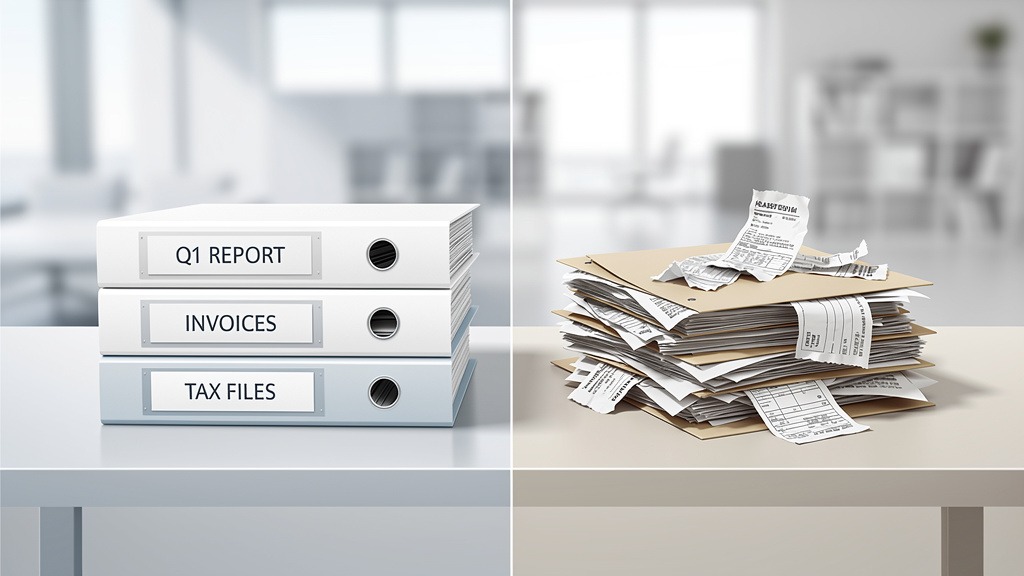
Figuring Out Tax Prep: The Look-Back Game
What tax preparation actually means and why you can’t ignore it
Tax preparation is basically the annual ritual of digging through last year’s financial mess and turning it into forms the government will accept. You’re gathering everything that happened financially, making sure the numbers add up, and proving you followed the rules. Simple goal: don’t get in trouble and figure out if you owe money or get some back.
If you’re running a business that crosses borders, this stuff matters more than you think. Clean, well-documented returns make your life easier when banks start asking questions, investors want to see your books, or you need to prove you’re legitimate. It’s also where you’ll really see the difference between tax planning and tax preparation: prep just reports what already went down. You can’t change the story at this point.
How this actually works when you’re doing it
Tax prep is all about taking historical data and fitting it into whatever rules are current.
What you’ll need to gather:
- Your financial statements and bookkeeping records
- Every receipt you hopefully didn’t lose
- Investment paperwork (good luck finding it all)
- W-2s, 1099s, and other employment documents
- Last year’s returns and backup materials
- Whatever forms your specific situation requires
What you’ll get out of it:
- Completed tax forms ready to file
- A clear calculation of what you owe or what’s coming back
- Documentation that’ll save you if questions come up later
The timing usually hits during tax season (that fun January to April crunch), which is exactly why procrastinating on document collection leads to rushed decisions and stupid mistakes you could’ve avoided.
Why businesses and executives actually benefit from doing this right
Good tax preparation isn’t just paperwork shuffling. It creates real control in places where most operations completely fall apart: keeping organized records and having positions you can actually defend.
Here’s what solid tax preparation gets you:
- You’ll actually comply with complex regulations instead of guessing and hoping for the best.
- Lower chance of audits because organized documentation and consistent reporting make you less of a target.
- You’ll catch deductions and credits you missed, since a good preparer spots categories and documentation gaps before filing.
- Way less time spent compared to doing it yourself, especially when you’ve got multiple entities or jurisdictions involved.
- Cleaner reporting that actually helps with future financing and compliance processes.
Trade-off you need to understand: tax preparation makes the best return possible from what already happened, but it can’t go back and fix the underlying decisions.
Real constraints and a workflow that actually works
The biggest operational nightmare? When different people hold different pieces of your financial records. Finance has some stuff, payroll has other pieces, and founders are sitting on random documents. Returns get prepared with gaps, and that’s when things go sideways.
Here’s a workflow that works: pick one person internally to collect everything – income statements, receipts, investment documents, tax forms. They reconcile it all, then hand over one complete package to your preparer for review before filing.
Quick example: A holding company that can’t match their 1099s to their bookkeeping will file inconsistent returns, which basically invites follow-up questions and amendments nobody wants to deal with.
While tax preparation focuses on what already happened, tax planning takes a completely different approach – it’s about optimizing what happens next.
Tax Planning: The Forward-Thinking Game
Tax planning is making smart moves today so you pay less tomorrow. Unlike filing returns (which just reports history), planning is about shaping what happens before it’s too late to change anything.
Planning vs prep in terms you can actually use
The easiest way to get the difference between planning services and filing? Timing and purpose. Preparation is like keeping score after the game ends. Planning is designing your game strategy before you start playing.
Tax preparation looks backward and focuses on compliance: you’re collecting financial statements, receipts, investment documents, and other records to complete forms and stay out of trouble. The output is an accurate calculation of what you owed or what’s coming back.
Tax planning looks forward and focuses on strategy: decisions get evaluated before money moves, contracts get signed, or business structures get created. You’re trying to legally minimize what you’ll owe and maximize what you keep, all while staying within the rules.
What planning actually includes throughout the year
Effective planning isn’t a single December meeting. Year-round attention matters because when and how you structure things often determines the outcome.
Common planning work includes:
- Structuring transactions so your business goals also help you keep more wealth
- Timing income and expenses to improve cash flow and minimize taxes where rules allow it
- Choosing entity structures that fit how you actually operate and where you operate
- Reviewing investment strategies so your investment choices work with your tax situation
Workflow tip: your CFO or finance person usually owns the data (books, forecasts, ownership changes), while a planning consultant tests decisions against tax rules before you commit.
Benefits and real limits you should know about
Year-round planning typically shows up as fewer surprises, better decision-making that considers after-tax results, and improved cash flow you can actually use. Most decision-makers also like having control and knowing the tax impact before they’re locked in.
Two constraints that matter:
- Planning is only as good as your inputs. If your forecasts, financial statements, or transaction details change late in the process, outcomes can shift.
- There’s always a trade-off between optimization and complexity. Over-engineering your structure can add administrative headaches and increase compliance risk if your documentation gets sloppy.
To make this clearer, let’s break down the difference between tax planning, tax strategy, and tax management, since people use these terms interchangeably but they solve different problems.
Breaking Down Tax Planning vs Tax Strategy vs Tax Management
Tax planning, tax strategy, and tax management are related but they tackle different challenges. Planning is the forward-looking decision process that shapes future outcomes. Strategy is the documented blueprint that planning creates. Management is the ongoing execution that keeps everything working while you file and stay compliant.
Definitions you can actually apply
Tax planning is the proactive process of managing finances to legally reduce future tax exposure and support long-term goals. A planning consultant typically models options before transactions get locked in.
Tax strategy is the structured blueprint: which entities do what, where income gets recognized, what elections you make, and what documentation you need under relevant rules.
Tax management is operational discipline: maintaining financial statements, receipts, investment documents, and supporting schedules so you can file cleanly, defend positions, and stay ready for changes.
Why these distinctions matter for actual results
Planning and strategy are where significant tax savings usually get created, because timing and structure decisions happen before money moves. Better planning can also improve cash flow by reducing surprises at payment time. When planning aligns financial decisions with long-term wealth goals, you’re more likely to preserve wealth instead of losing it through preventable friction.
Tax preparation still matters. Good preparation gets you accurate forms, correct liability calculations, and the ability to fulfill obligations and comply with regulations when filing.
Real constraint and trade-off to watch
Strong strategy without tax management fails in practice. Missing records, inconsistent classifications, or poor handoffs between finance and tax teams can turn a good plan into penalties or rework.
Now that we’ve defined the core concepts, let’s look at the different professionals who provide these services.
Tax Preparer vs Tax Planner vs Tax Strategist: Who Does What
A tax preparer, tax planner, and tax strategist solve different problems, even when the same qualified professional provides multiple services. Preparation is about accurate reporting and filing. Planning and strategy are about decisions that shape future outcomes so tax season doesn’t hit you with avoidable surprises.
What each role actually does
| Role | Primary focus | What they work with | What you get | When to use them |
|---|---|---|---|---|
| — | — | — | — | — |
| Tax preparer (CPA, EA, or unenrolled preparer) | Compliance and filing | Financial statements, receipts, investment documents, tax forms | Filed return showing what you owe or get back | You need to fulfill obligations and comply with regulations |
| Tax planner | Forward-looking decisions | Forecasted income, entity setup, cross-border activity, planned transactions | Recommendations to reduce future exposure within the rules | You want year-round control and planning benefits |
| Tax strategist | Documented positions and coordination | Planning decisions plus risk tolerance and documentation | Clear strategy, assumptions, and implementation steps | You need defensible positions for complex structures and multi-jurisdiction operations |
Credentials and why they might matter
A CPA (Certified Public Accountant) is a licensed accounting professional. An EA (Enrolled Agent) is a credentialed tax practitioner. Many businesses prefer CPA and EA level providers for complex filing and planning, but credentials don’t automatically guarantee they’re the right fit for your situation.
Where clients mess this up
The most common confusion is treating preparation and strategy as the same service. Preparation looks backward; strategy and planning are proactive approaches. The trade-off is cost and time: strategy work requires cleaner records, earlier decisions, and someone on your team who owns implementation.
For example, a financial advisor and tax planner might coordinate investment moves, while the preparer focuses on reporting those moves correctly.
Knowing the role differences is only half the equation; next step is determining when to engage each type of professional.
When to Hire a Tax Planner vs a Tax Preparer
Deciding when to hire a planner versus preparer comes down to timing and intent. Use a preparer to report what already happened and file correctly. Use a planner to shape what happens next, especially when today’s choices change future tax bills.
Hire a preparer for accurate filing and clean compliance
Choose preparation services when your primary goal is filing returns on time and correctly, based on prior-year activity.
A preparer is the right fit when:
- Your situation is straightforward to moderate and you mainly need to compile financial statements, receipts, investment documents, and other forms.
- You want to fulfill obligations and comply with regulations without reworking business decisions after the fact.
- You need a clear calculation of liability or refund based on what already occurred.
Trade-off: a preparer can flag obvious issues, but preparation usually can’t reverse avoidable outcomes created earlier in the year.
Hire a planner for forward-looking decisions that change outcomes
Hire a planner when decisions, structure, or timing matter more than data entry. This is common with major life events (marriage, inheritance), significant investments, business ownership, or any proactive approach aimed at reducing future tax bills. High earners and small business owners often benefit because income mix, timing, and entity choices can create complex situations and higher risk of surprises if handled only at filing time.
A decision sequence you can actually use
- List upcoming changes in the next 6 to 18 months (major life events, new markets, new owners, large investments).
- If the list is empty, start with a preparer to file and stay current with regulations.
- If the list has material changes, engage a planner before transactions get executed.
- For best control, use one firm that integrates planning and preparation so the return reflects the plan and documentation supports the positions.
Even with professional help, some common mistakes can undermine your tax efforts, so it’s essential to know the potential pitfalls.
Common Tax Planning and Preparation Mistakes You Should Avoid
Avoidable tax costs usually come from timing confusion: preparation reports the past, planning changes the future. The practical difference between consulting and preparation services is whether the work is structured to reduce future exposure or simply to file accurately and on time. Treating both as once-a-year tasks is where most approaches fail.
Mistakes that weaken planning outcomes
A common error is waiting until after transactions close to discuss planning strategies. That removes options that could preserve wealth, improve cash flow, and keep decisions aligned with long-term goals. Another mistake is optimizing one entity in isolation while ignoring cross-border flows, which can increase liability and compliance friction.
Mistakes that create filing risk and lost savings
On the preparation side, the biggest failures are incomplete financial statements, missing receipts, and disorganized investment documents. That leads to errors on forms, missed deductions and credits, and weak support if questions arise. Rushing also undermines compliance accuracy, increasing exposure to audits, penalties, and avoidable legal issues.
Quick control checklist
- Assign one owner for document collection and reconciliations before filing returns.
- Keep a single source of truth for financial statements, receipts, and investment documents.
- Review major decisions quarterly so planning can increase after-tax income, not just report it.
- Use preparation for accuracy and time savings, then use planning for control and peace of mind.
To address common concerns, let’s answer some frequently asked questions about planning and preparation.
Real Examples and Case Studies: The Financial Impact of Planning vs Just Preparation
Preparation records what already happened. Planning changes what happens next. The financial impact usually shows up as fewer last-minute constraints, fewer unpleasant surprises in liability calculations, and more control over cross-border cash flow.
Case study A: Filing only after year end
A founder with multi-country operations waits until tax season to start filing returns. The team scrambles to gather financial statements, receipts, and investment documents, then completes forms to fulfill obligations and comply with regulations. The preparer can only report facts under current rules, so avoidable outcomes often remain locked in, such as suboptimal timing of income and deductions or missing documentation that supports positions.
Case study B: Planning before decisions become irreversible
Another founder engages planning services before signing new contracts and before moving cash between entities. A proactive approach focuses on decision points: entity setup, compensation mix, invoice timing, and documentation standards. The trade-off is additional upfront work and coordination, but the result is fewer fire drills and cleaner records at filing time.
What year-round planning changes in practice
The year-round planning benefits are straightforward: fewer forced choices, cleaner substantiation, and a plan the finance team can execute before deadlines.
Next, we’ll clarify the difference between ‘tax planning’, ‘tax strategy’, and ‘tax management’ in more detail.
Breaking Down ‘Tax Planning’, ‘Tax Strategy’, and ‘Tax Management’
What’s the actual difference between these three
Tax planning is the decision-making process that happens before transactions, designed to reduce future exposure and avoid surprises. Tax strategy is the documented set of positions and choices that come out of that planning. Tax management is the operational discipline that keeps the plan working while you keep filing returns and running the business.
These labels matter because cross-border structures fail most often at the handoff: a good idea gets approved, but execution drifts and the filings no longer match the intended outcome.
Plain language definitions tied to real deliverables
Tax planning focuses on what you can still change. Typical inputs include financial statements, receipts, and investment documents, because those show what’s happening and what’s about to happen.
Tax strategy turns planning into rules your team can follow, for example how to classify transactions, what forms will be needed, and which interpretations of regulations you’re prepared to support.
Tax management is the control layer: calendars, documentation standards, review steps, and ownership. The goal is to comply with regulations consistently, not just once at year end.
| Term | Timing | Main output | Core risk if skipped |
|---|---|---|---|
| — | — | — | — |
| Tax planning | Before decisions | Options and trade-offs | Avoidable tax cost |
| Tax strategy | Before and during execution | Written positions and guardrails | Inconsistent positions |
| Tax management | Ongoing | Controls and evidence | Missed filings, weak support |
Where businesses get caught out
A common failure is treating tax management as “admin.” When documentation is incomplete, even accurate preparation services can produce a liability or refund you didn’t expect. Another risk is misaligned responsibility: professional preparers may not own operational decisions, while finance teams may not track the tax consequences of those decisions.
If your structure is changing, the practical next step is to list upcoming transactions and confirm which items require planning, which require strategy documentation, and which require management controls before the next filing cycle.
Next, the FAQ section answers the most common questions about choosing tax services.
Frequently Asked Questions About Tax Services
What’s the difference between tax prep and tax planning
Q: What’s the difference between tax planning and tax preparation? A: Tax preparation is the process of filing returns using prior-year records and forms to fulfill obligations. Tax planning is a proactive approach to managing finances, focused on shaping decisions before transactions occur so outcomes aren’t left to year-end clean-up.
Q: What’s the difference between tax planning and tax filing? A: Tax filing is the submission step within preparation, aimed at reporting and complying. Tax planning is the decision process that happens earlier, when there’s still time to influence the eventual liability or refund.
Does tax planning include preparing returns
Q: Does tax planning include preparing returns? A: Sometimes, but not always. Many firms offer both, but the work is distinct: planning sets the positions and timing, while preparation converts documents into completed forms that comply with regulations.
Q: What does tax planning actually mean in practice? A: Tax planning means reviewing upcoming income, payments, ownership changes, and cross-border activity against relevant regulations before commitments are locked in. For international structures, the practical goal is fewer surprises, cleaner documentation, and fewer last-minute constraints.
How much do these services cost and how do you judge ROI
Q: How is tax preparation usually priced? A: Tax preparation cost is often a one-time expense, commonly quoted as a fixed fee based on complexity and the quality of source records (financial statements, receipts, and investment documents).
Q: How is tax planning usually priced, and is it worth it? A: Tax planning cost is typically structured as an hourly rate, a retainer, or occasionally a percentage of assets, reflecting an ongoing relationship with a professional planner. Planning can cost more upfront, but the ROI can be strong when decisions prevent avoidable exposure, missed elections, or poorly timed transactions. Many businesses treat planning as an investment because the potential savings can exceed the fee when the plan is implemented consistently. A practical constraint: ROI depends on execution, so assign an internal owner to deliver documents and approvals on schedule.
In summary, understanding the distinction between planning and preparation empowers you to make informed financial decisions.
Key Takeaways for Your Tax Future
Distinguishing tax planning from preparation isn’t academic – it’s how businesses avoid avoidable surprises and keep control of cash flow. Preparation focuses on filing returns accurately so you comply with regulations and fulfill obligations. Planning is a proactive approach so future decisions don’t create unexpected liability or refund outcomes.
What to keep straight in practice
Tax preparation is driven by documentation: financial statements, receipts, investment documents, and the right forms. The work product is a defensible return aligned to current regulations.
Where problems typically show up
The main risk is timing. If cross-border structure, compensation, or payments are decided late, options narrow and clean compliance can become expensive, even when the return is prepared correctly.
A simple operating model that works
Assign ownership early: finance maintains source documents monthly, operations flags upcoming transactions, and an advisor sanity-checks the plan before execution. The trade-off is time spent during the year versus stress and constraints at year-end.
This concludes our detailed look at tax planning versus tax preparation.